Posts tagged ‘sarine arslanian’
Exploring Rwanda’s Creative Scene
When I first moved to Rwanda, I was not sure what to expect. It was March 2015, and I was moving in with my boyfriend in Kigali. Of course, I knew the city would be clean and green. I had heard countless success stories about economic development, and inevitably, I knew a lot about the genocide. Still, I felt like there was so much more about the city that I would soon discover… So I went with an open heart, without much expectations, ready to learn more about the local culture, and most importantly, meet the people who make the place. I let myself be surprised by the sights and smells, the colours and sounds, the foods and traditions, and the little things of everyday life.

A ‘Kurema Kureba Kwiga’ mural addressing the stigma of positive living and HIV/AIDS in Kigali.
Soon, I started meeting artists, musicians, fashion designers, dancers, photographers, and what not. What they all shared in common was a strong drive to use their art to bring about positive change in the country, a determination to challenge mentalities, move forward and grow. They also wanted to put Rwanda on the map. Most were young, and self-taught with such ambition that their presence alone made me feel inspired. Some were born in Rwanda, others were Rwandans from the diaspora who had decided to move back in the last few years. When talking about their respective art, or when practicing, they had sparkles in their eyes.

Behind the scene. Interviewing the young photographer Jacques Nkinzingabo.
Yes, it is them who touched me the most. They inspired my writings, and made me want to grab my camera as fast as possible to create together with them. Even now, writing this article from my living room in Brussels, I am realising how much I miss them. I strongly believe that art is a universal language that brings people together. It is a powerful tool to communicate at an emotional level with the people within your own culture, but ultimately, it transcends all cultural boundaries. Art speaks directly to our shared humanity. It is through the arts, thus, that I felt most connected to the Rwandan youth.

Krest Crew dancers practicing at the Kimisagara Youth Centre in Kigali.
In Rwanda, I lived the life of a writer and visual anthropologist, writing about the arts and culture scene, about the people who inspired me, and working on my baby; a documentary film called ‘RWANDArt’ that I directed and produced. This documentary is born from a strong desire to show the beauty and creativity of the people who make the place, and to document the early stages of the creative industry with all its challenges and opportunities. It is the result of my everyday interaction with young and talented Rwandan creatives defying traditional conventions through music, dance, fashion and art. There is no voice over in the film, a deliberate choice I made to give artists the space to speak for themselves. Also, I collaborated with local talents for the original soundtrack, cinematography and post-production work.
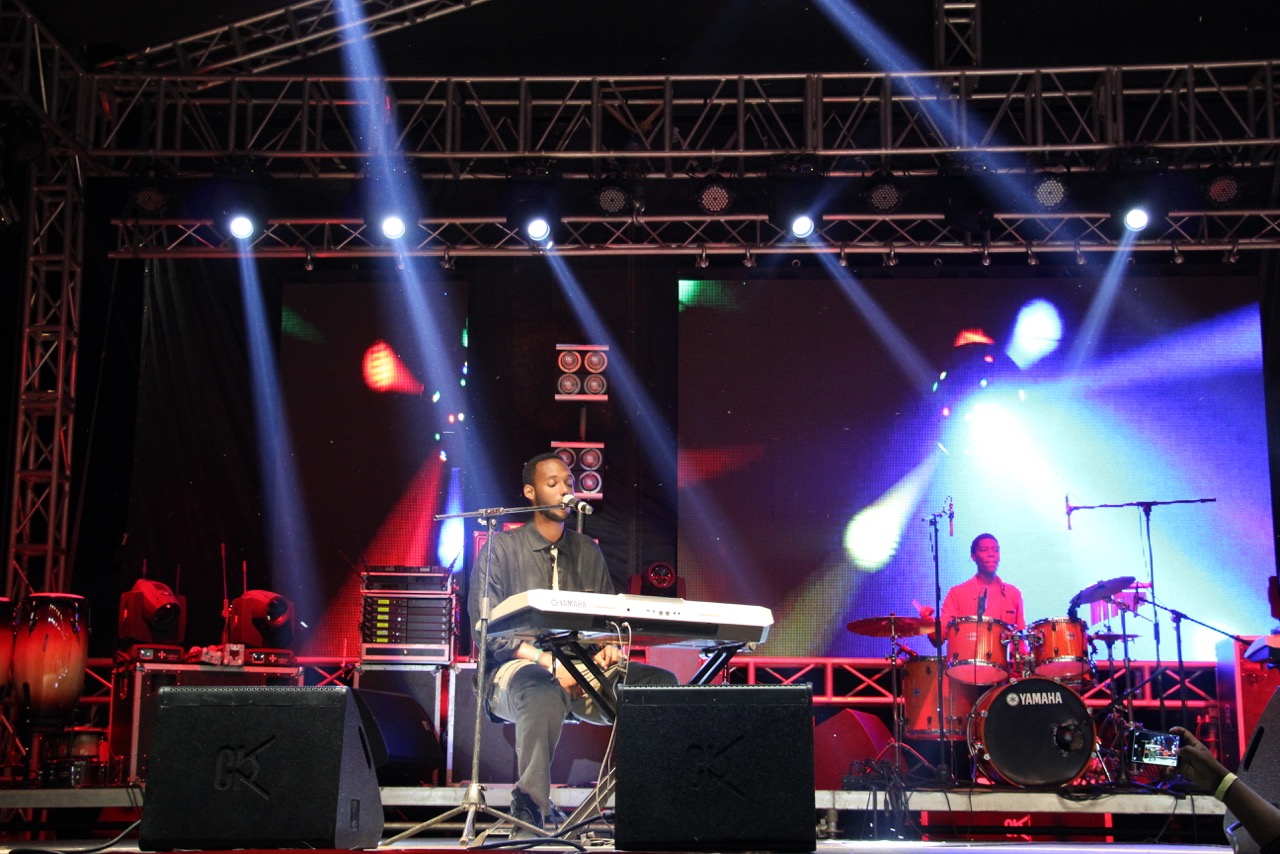
Mike Kayihura, a self-taught R’n’B and soul artist, on stage.
I could fully relate to what artists were speaking about as this was also my experience in the country. Challenges were shared and common in the industry. It was hard to find money for your art. Your art was not always understood. Many kept trying to convince you to get a ‘real’ job, thinking that art could only be a hobby. Professionalism was sometimes lacking, as were the schools to learn the skills, and what not. But even though challenges were real, as in any other country actually, creative entrepreneurs were determined not to give up. Where there were challenges, there were also opportunities.
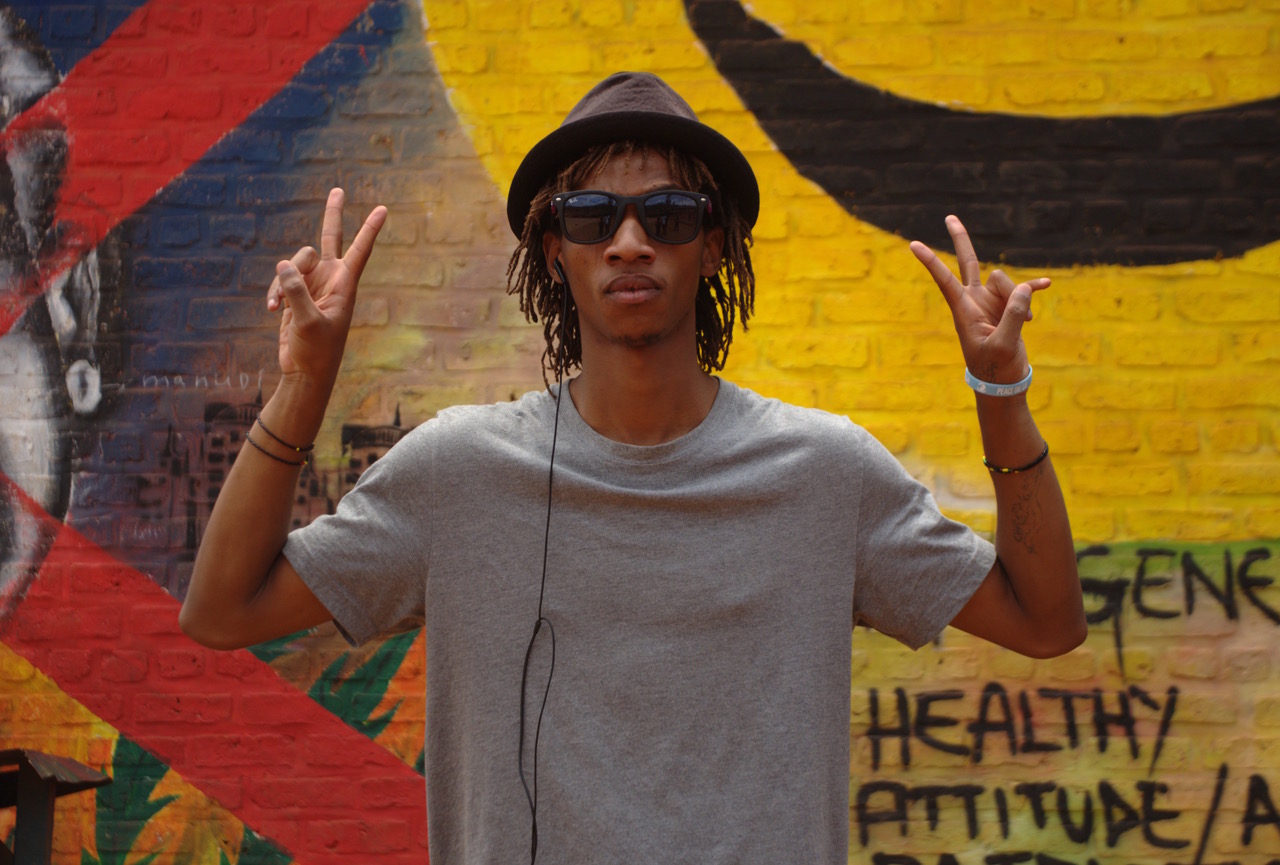
Chris Hirwa, the hip hop dancer who uses his art to improve the lives of orphans and street kids.
The fact that the industry had just started two, three years back from the start of my filming, meant that there was so much room to create since not much had been done yet. You could do whatever you set your mind to. You could truly innovate, and see the results of your work. In fact, opportunities were endless, and outweighed all the challenges. It was incredible to experience that. The country was growing at such a fast pace. Things were truly moving in such positive ways, and the youth had understood very well that innovation and creativity are key elements in promoting a country’s economic and cultural development.

Bruce Niyonkuru, the talented contemporary artist standing in front of his work.
RWANDArt was completed in July 2016. It premiered in Kigali at the Rwanda Film Festival, and was then screened in other countries. I am extremely grateful for the positive feedback it received so far, but more than that, I am grateful for all the laughter, friendship and trust to enter the creative circles, the long hours of work until sunrise, and even the occasional sorrows. This documentary film is truly about the people; the Rwandan creative youth that is the new face of the country. Its heart and soul. When you look at them, full of passion, dedication and ambition, it becomes clear that the country has a great future.
————————————-
Sarine Arslanian won the Hugh Brody Runner Up prize for a project on Armenian music in London that she did as part of SE555 Visual Anthropology Project.
You can learn more about what she has done since graduating with a BA in Cultural Studies and Social Anthropology on her website.
See a previous post by Sarine here.

Sarine Arslanian, Visual Anthropology student from 2012, reports from Jakarta and shares her latest documentary.
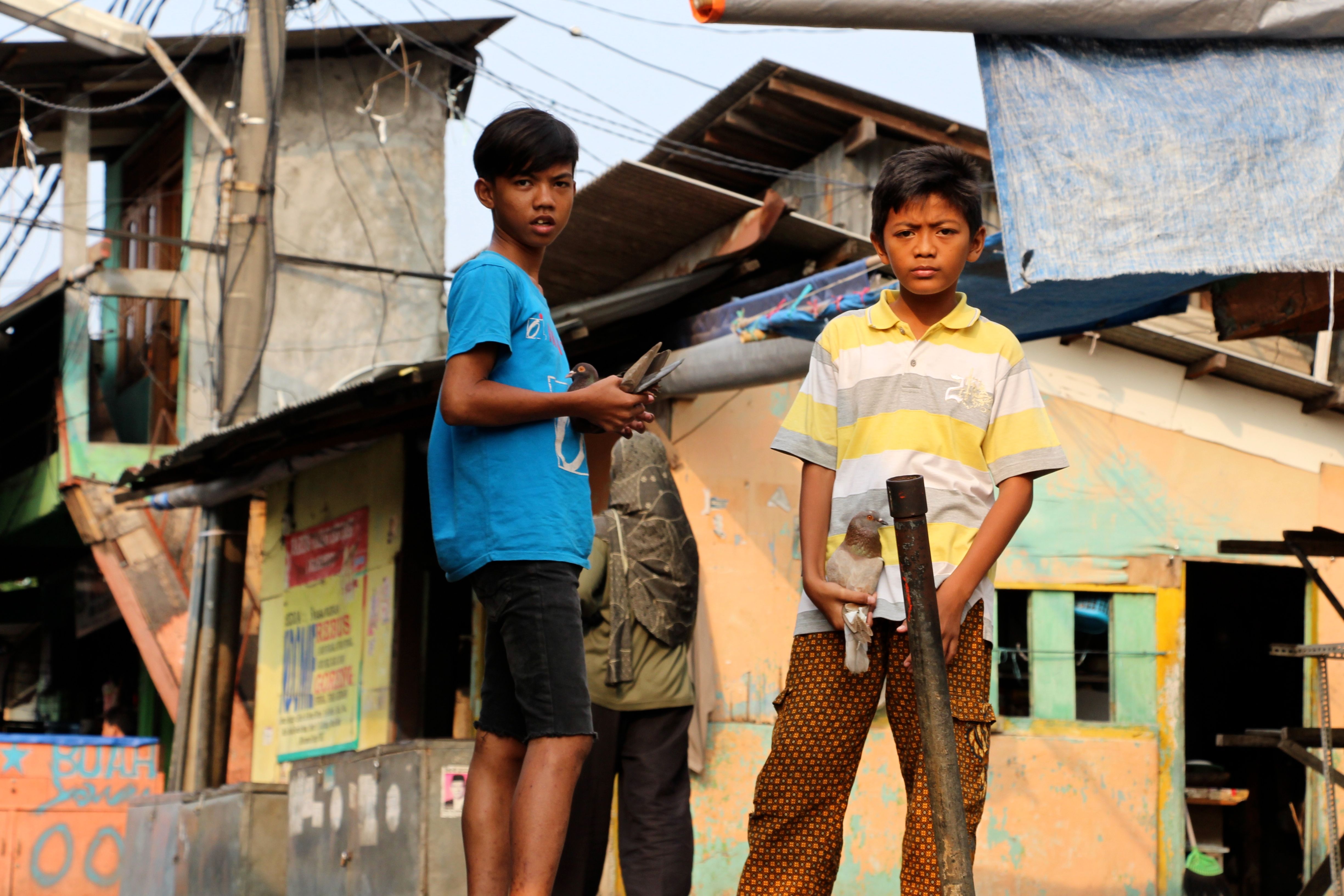
With the support of the Center for Public Policy Transformation, Sarine Arslanian explores through documentary the social and economic dynamics of life in the slum areas of Bukit Duri which have been overlooked in the current relocation strategy implemented by the government as a measure for flood prevention. Her documentary also examines the bureaucratic and environmental challenges, and alternative approaches to make the plans more sustainable on the long term.
Sarine won the Hugh Brody Visual Anthropology Runner Up prize for her film ‘Connecting Strings; Armenian Spirit in Music’.
Since graduating from Kent in 2012, with a degree in ‘Cultural Studies and Social Anthropology’, my passion for travelling, discovering new cultures, learning about people, languages, customs and cuisines has taken me to various places around the world.
For 15 months, I travelled throughout Latin America and South East Asia, where I was trying, as much as I could, to experience new places the way the locals do.
Taking an anthropological perspective in producing development-related documentaries has been something I have been aspiring to ever since I took the ‘Visual Anthropology’ class in Kent.
Hence, I decided to return to the UK to pursue a masters degree in ‘Development Studies’ at the University of Cambridge.
After graduation, I moved to Jakarta, Indonesia, where I have been living since. I am now working as a researcher for a local think tank called Transformasi, exploring the socio-economic impacts of public policies in the country, through visual means.
A year ago, if you had asked, I would never have thought about Jakarta. But the think tank I work for has some connections with the Centre of Development Studies at Cambridge and I received an email about this position a little before graduation. The job description looked amazing, especially as it involved producing documentaries based on my research. So I thought, why not move to Jakarta? 🙂 I wasn’t expecting to love the city so much! It’s a hectic city with a lot of pollution, and traffic, but there is always something interesting going on. The movement, colours, smells, people, food, cultural diversity etc. definitely make the place for me. I have had countless amazing experiences, especially with people in rural areas and slums, but also more ‘disturbing’ but memorable ones, such as experiencing kerokan; a traditional massage to let the wind flow out of your body – someone rubs a coin across your back so hard that you end up with ‘tiger’ stripes, having my roof fall in my room and my room flood, also pushing a bike through flood water, etc. It’s basically a love and hate relationship that is making me love the city even more.
I have produced the documentary ‘The Reality of Ciliwung People in Jakarta’, which explores the social and economic dynamics of life in the slum areas of Bukit Duri which have been overlooked in the current relocation strategy. It also looks at bureaucratic and environmental challenges, and alternative approaches to make the relocation plans more sustainable on the long term.
I could never be thankful enough to Mike and all the wonderful people I met in my ‘Visual Anthropology’ class at Kent. The experience I gained both in the classroom and while filming and editing my first documentary ‘Connecting Strings; Armenian Spirit in Music’ is invaluable. It taught me culturally sensitive research skills, and the more technical and practical aspects of filmmaking that I am now applying in my current job.
I will be working here until the summer, and planning to produce one or two more documentaries until then!
(You can see her prize winning film in SELF Spaces)
 Kent Visual Anthropology (2010-2020)
You must be logged in to post a comment.